

When business owners start planning a website, one question almost always comes up:
“Should we use WordPress?”
WordPress is often treated as the default choice. Many developers recommend it, many agencies build with it, and many business owners assume all websites work the same way anyway. But the truth is, WordPress is just one option among several website platforms, each with different strengths, limitations, and long-term implications.
If you’re about to hire a developer or agency, understanding website platforms first will help you avoid confusion, unnecessary costs, and regret later on.
This article explains the most common website platforms in clear, simple terms so you can make an informed decision without needing technical knowledge.
What Is a Website Platforms?
A website platform is the system used to build and manage your website. It determines how pages are created, how content is updated, how features are added, and how maintenance is handled.
Your platform choice affects:
- How easy it is to update your website
- How much you rely on developers
- How flexible your site can be as your business grows
- How much maintenance and support you’ll need long term
Many problems business owners face with their websites don’t come from bad design. They come from choosing a platform that doesn’t match their needs.
Why Business Owners Should Care About Platform Choice
At first, most platforms look similar. You see a homepage, a services page, and a contact form. Everything seems fine.
Problems usually show up later.
- You want to add new pages
- You want better SEO control
- You want to improve site speed
- You want to switch developers
That’s when the platform starts to matter.
Choosing the right platform early gives you flexibility. Choosing the wrong one can lock you into limitations that are hard or expensive to fix.
WordPress: The Most Widely Used Platform
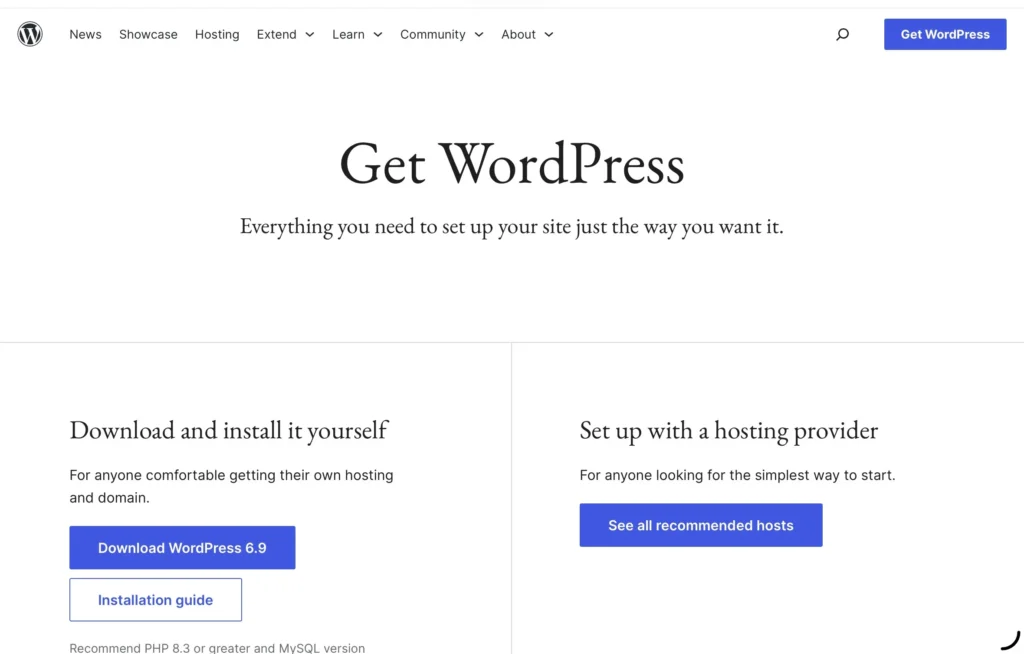
WordPress is the most commonly used website platform for business websites.
It’s popular because it’s flexible and scalable. You can start with a simple site and grow it over time by adding pages, features, and integrations.
For many businesses, WordPress strikes a balance between control and usability. You own your website, you control your content, and you’re not locked into one provider.
However, WordPress requires ongoing maintenance. Updates, backups, and security checks are part of owning a WordPress site. Without proper care, performance and security can decline over time.
WordPress is a strong choice if:
- You want long-term flexibility
- You expect your website to grow
- You want control over content and features
If you want a clearer picture of what ongoing care involves, this guide explains it in plain language: wordpress website maintenance
Website Builders: Wix and Squarespace
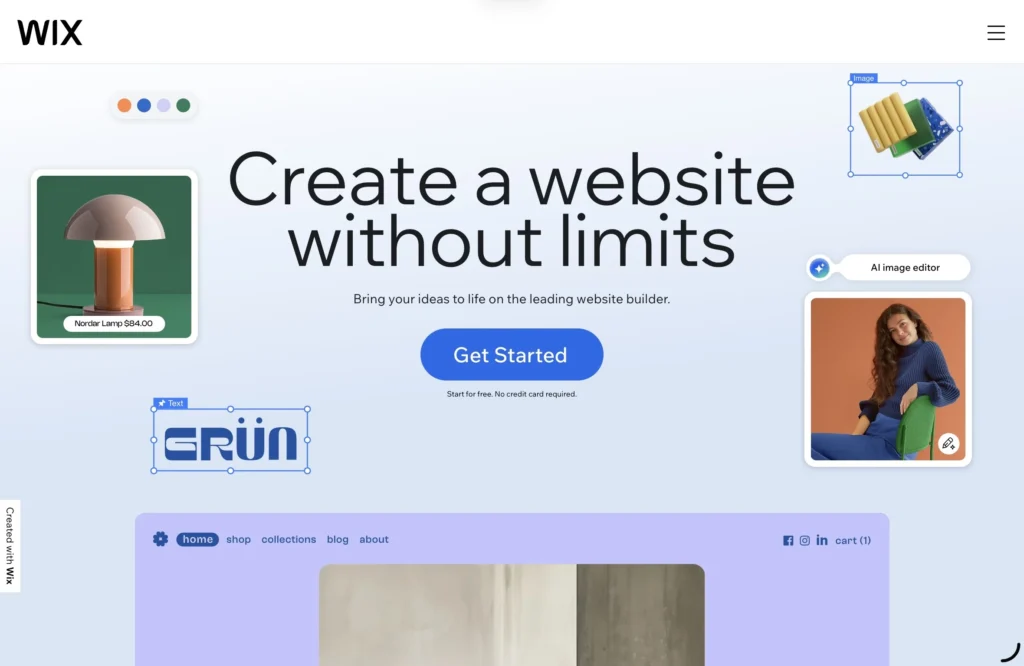
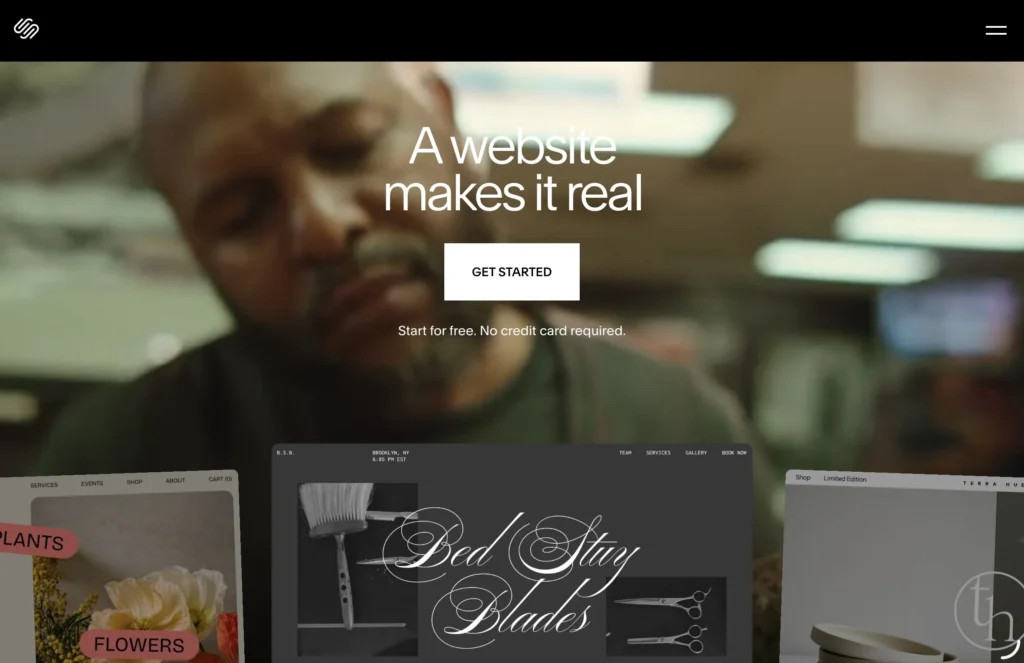
Website builders like Wix and Squarespace are designed for simplicity. They bundle hosting, updates, and security into one service and use visual editors to build pages.
For small businesses or individuals who want a website quickly and don’t plan major changes, these platforms can work well.
They are often chosen because they feel easy at the start. But ease can come with trade-offs.
Customization options are limited. SEO flexibility is more restricted. Moving your site to another platform later can be difficult or impossible without rebuilding everything.
Website builders are best for:
- Simple websites
- Short-term projects
- Businesses with minimal technical needs
They are less ideal for businesses that expect to scale or customize heavily.
Webflow: Modern Design With More Control
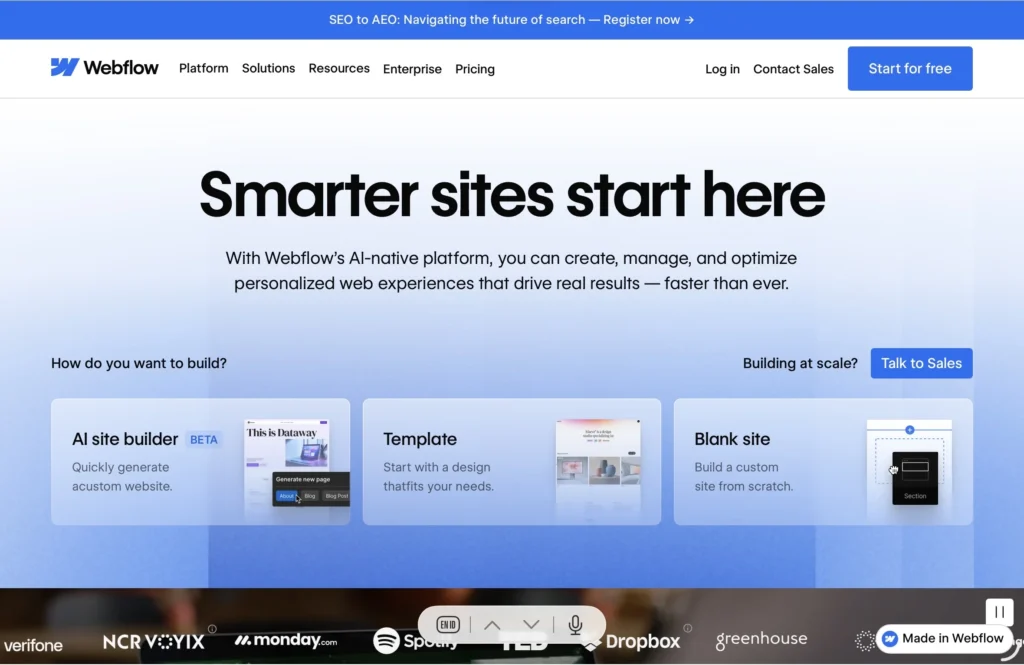
Webflow is often used by designers and agencies that care deeply about visual quality.
It offers more design flexibility than Wix or Squarespace while still handling hosting and performance behind the scenes. Websites built with Webflow are typically fast and visually polished.
For business owners, the key consideration is control. While Webflow websites look great, content and structural changes often require someone familiar with the platform.
Webflow works well if:
- Design quality is a priority
- Your website structure is mostly fixed
- You’re comfortable relying on a specialist
It’s a strong option, but not always the easiest to manage independently.
Shopify: A Platform Built for Selling Products
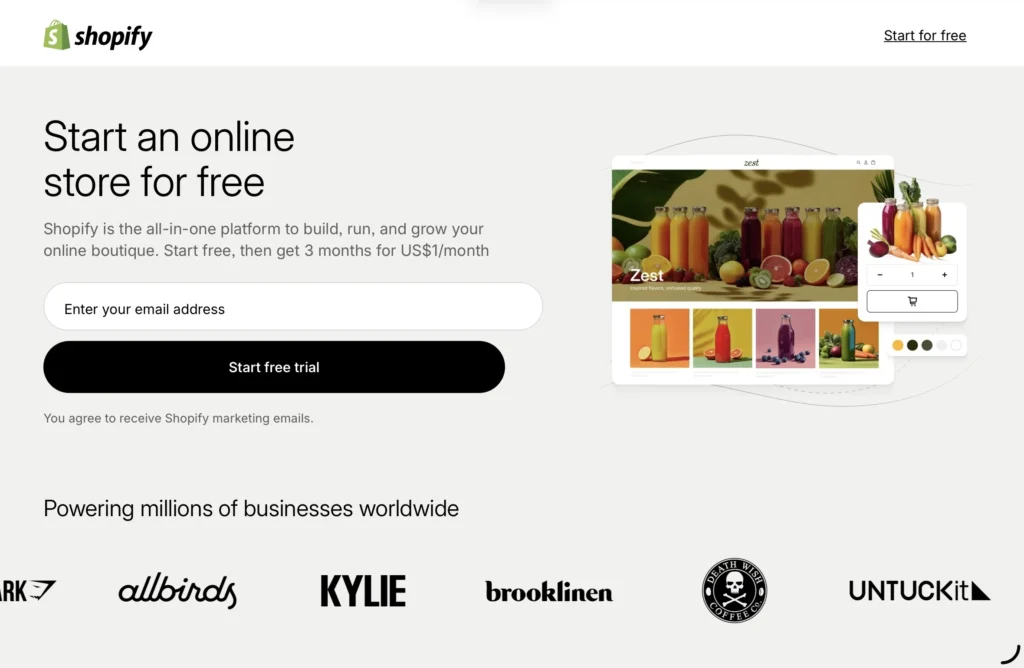
Shopify is not a general-purpose website platform. It’s built specifically for online stores.
If your main goal is selling products, Shopify simplifies payments, inventory, and checkout. Many business owners choose it because it reduces technical complexity around eCommerce.
That said, Shopify is less flexible for content-heavy or service-based websites. Many businesses use Shopify for their store and another platform for their main website.
Shopify is best if:
- Selling products is your primary goal
- You want a reliable eCommerce system
- You’re comfortable with monthly platform fees
Custom-Built Websites: Maximum Flexibility, Maximum Responsibility
Some websites are built entirely from scratch using custom development frameworks.
This approach offers complete flexibility. Anything can be built exactly to specification. But it also requires higher budgets, ongoing developer involvement, and more complex maintenance.
Custom development usually makes sense for:
- Large organizations
- Platforms with complex workflows
- Businesses with very specific technical needs
For most small and mid-sized businesses, custom development is unnecessary and often creates long-term dependency on developers.
A Common Mistake Business Owners Make
Many business owners choose a platform based on recommendations without understanding the trade-offs. Others focus only on price or speed.
Another common mistake is ignoring maintenance.
Every platform needs maintenance. The difference is whether that maintenance is visible, manageable, and affordable.
Choosing a platform without thinking about maintenance often leads to unexpected costs and frustration later.
Questions to Ask Before Hiring a Developer
Before committing to a developer or agency, ask these questions clearly:
- Why are you recommending this platform?
- How easy is it for me to update content myself?
- What does maintenance look like after launch?
- Am I locked into your service?
- What happens if something breaks?
A good developer will answer these questions in simple terms. If explanations feel vague or overly technical, that’s a warning sign.
Platform Choice and Long-Term Maintenance
Your website platform and maintenance plan should be discussed together. WordPress offers flexibility but requires regular care. Website builders simplify maintenance but limit growth. Custom websites provide control but increase dependency. Ignoring maintenance doesn’t make it disappear.
It only makes problems more expensive later. You can learn more about ongoing website care here: https://managemysite.io/wordpress-website-maintenance/
How to Choose the Right Platform for Your Business
There is no universal “best” platform. The right choice depends on:
- Your business goals
- How often your site will change
- Your budget for maintenance
- How much control you want
For many business owners, WordPress remains the most balanced option. For others, simpler or more specialized platforms may be a better fit.
The key is choosing intentionally, not automatically.
Final Thought
Understanding website platforms doesn’t require technical expertise. It requires asking the right questions and thinking long term.
When you know your options, you make better decisions.
When you make better decisions, your website becomes a tool that supports your business instead of slowing it down.
Your website platform is the foundation. Choose it carefully.


One Response